
Peak hair restoration · Insights
Hair Graft Before and After: Timeline and Results
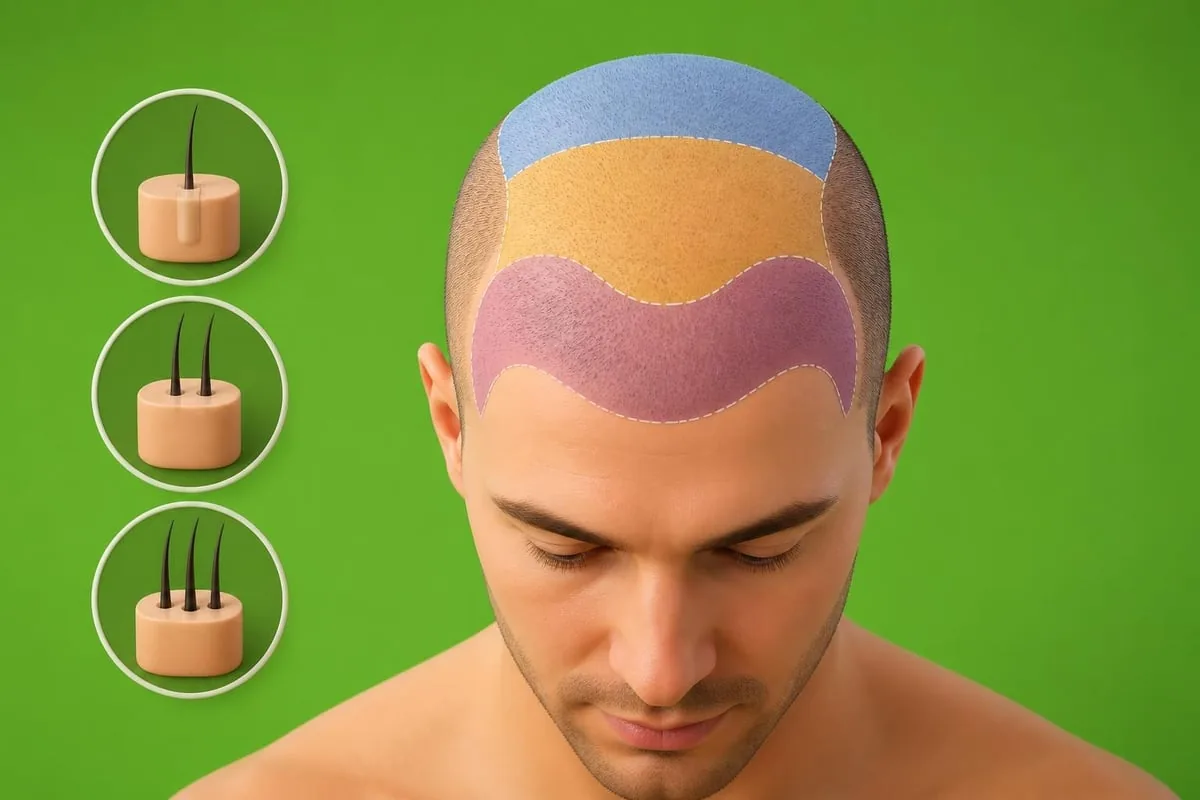
Understanding the transformation from hair graft before and after a transplant procedure represents one of the most important aspects of any hair restoration journey. Patients considering surgical hair restoration naturally want to see concrete evidence of results, understand realistic timelines, and set appropriate expectations for their own transformation. This comprehensive guide walks through every stage of the hair graft journey, from the initial bare areas to the final restored appearance, providing the clinical context and timeline details necessary for making informed decisions about hair restoration procedures.
Understanding Hair Grafts and Transplantation
A hair graft contains one or more hair follicles harvested from the donor area, typically the back or sides of the scalp where hair growth remains genetically resistant to balding. Hair transplantation techniques have evolved significantly, with modern procedures focusing on the careful extraction, preparation, and placement of these grafts to achieve natural-looking results.
The number of grafts required depends on several factors:
- Extent of hair loss: Larger balding areas require more grafts
- Desired density: Higher density goals need additional grafts per square centimeter
- Hair characteristics: Thickness, texture, and natural curl affect coverage
- Donor area availability: The supply of quality grafts limits total transplantable units
Modern follicular unit extraction (FUE) techniques harvest individual grafts without leaving a linear scar, making them particularly popular among patients seeking minimal visible evidence of the procedure. The Sapphire FUE hair transplant refines this approach further, using sapphire blades for recipient site creation. The blade material alone does not guarantee better healing or density.
Initial Assessment and Planning
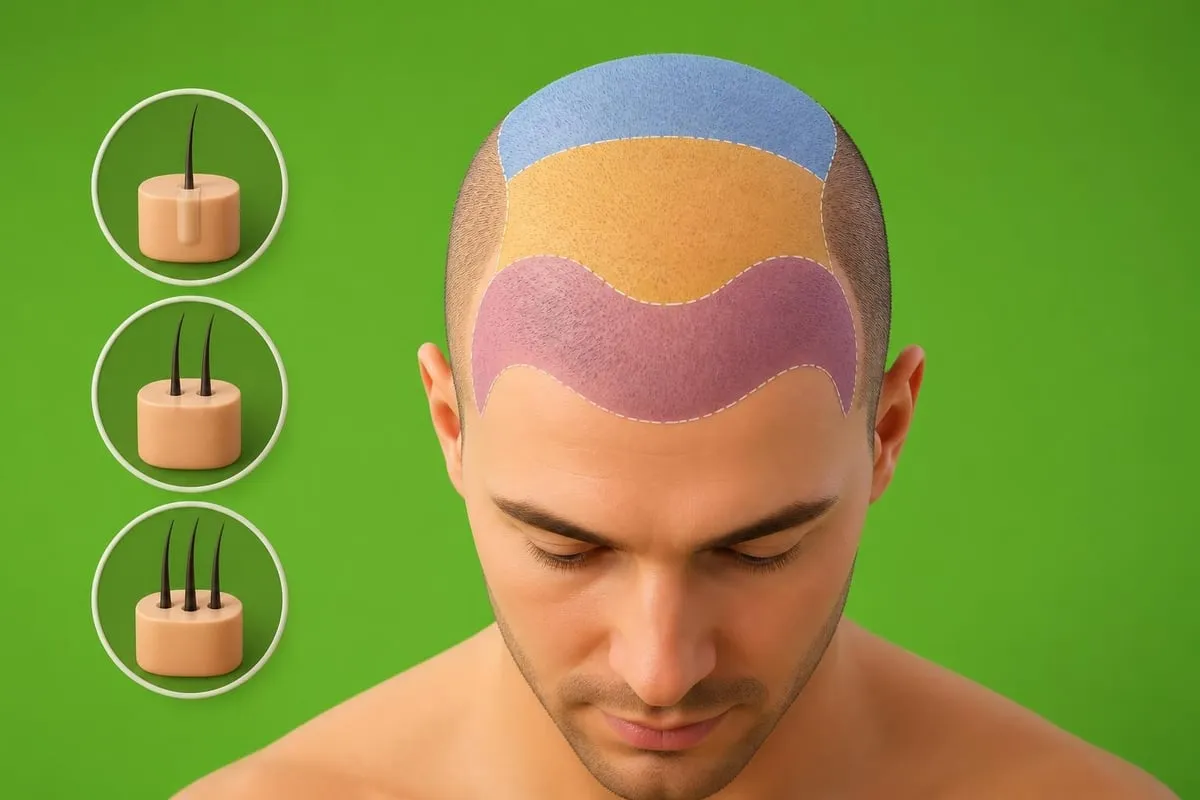
Before any hair graft procedure, patients undergo thorough consultation to determine candidacy and establish realistic expectations. Licensed clinicians evaluate donor density, recipient area size, and overall scalp condition. This planning phase proves critical because it sets the foundation for the hair graft before and after transformation that patients ultimately experience.
Key assessment criteria include:
- Pattern and progression of hair loss
- Donor area characteristics and availability
- Patient age and future loss predictions
- Medical history and contraindications
- Aesthetic goals and hairline design preferences
The Immediate Post-Procedure Period
The first two weeks following graft placement represent a critical healing phase. Immediately after the procedure, small scabs form around each transplanted graft, and the recipient area appears red with visible transplant marks. This initial appearance often concerns patients reviewing their hair graft before and after status, but understanding the healing timeline alleviates anxiety.
| Timeline | Recipient Area Appearance | Donor Area Status | Patient Activity Level |
|---|---|---|---|
| Days 1-3 | Redness, minor swelling | Small dots (FUE) | Rest, minimal activity |
| Days 4-7 | Scabs forming | Healing initiated | Light activities only |
| Days 8-14 | Scabs shedding | Nearly healed | Gradual return to normal |
| Week 3-4 | Redness fading | Fully healed | All activities resumed |
During this period, following proper post-operative care guidelines ensures optimal graft survival and sets the stage for successful long-term outcomes. Patients must avoid touching or scratching the recipient area, sleep at an elevated angle, and follow prescribed washing protocols.
The Shock Loss and Dormancy Phase
Between weeks two and four, most transplanted hairs shed-a phenomenon called shock loss that surprises many patients monitoring their hair graft before and after progress. This shedding represents a normal physiological response, not graft failure. The follicles remain anchored beneath the scalp surface and enter a dormant phase before initiating new growth.
What happens during dormancy:
- Transplanted hair shafts fall out naturally
- Follicles rest beneath the skin surface
- Blood supply establishes to each graft
- Cellular activity prepares for new growth phase
- Recipient area appears similar to pre-procedure state
This phase tests patient patience most significantly. The NHS notes that understanding this temporary setback helps patients maintain realistic expectations during the months-long growth process.
Managing Expectations During Early Months
Months two through four typically show minimal visible change. Some patients experience slight patchiness as native hairs continue their regular growth cycles while transplanted follicles remain dormant. This period requires psychological preparation because visible improvements lag significantly behind the calendar.
The Growth Phase Begins
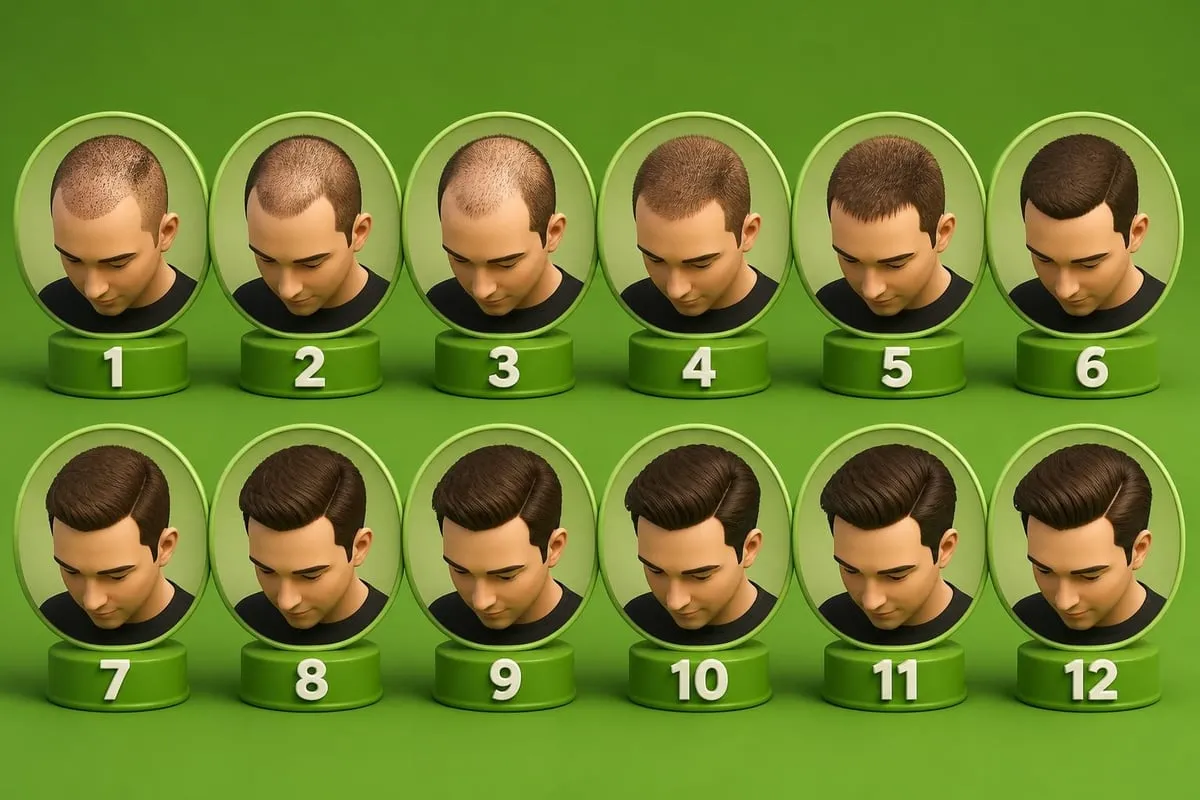
Around month three to four, new hair begins emerging from transplanted grafts. Initial growth appears fine and thin, gradually gaining thickness and pigmentation over subsequent months. This marks the beginning of visible hair graft before and after changes that patients eagerly anticipate.
Progressive growth milestones:
- Month 3-4: First sprouts appear
- Month 5-6: Noticeable length and coverage
- Month 7-8: Substantial improvement visible
- Month 9-10: Significant density achieved
- Month 11-12: Near-complete results
Growth rates vary among individuals based on genetics, age, overall health, and adherence to post-procedure care protocols. Some patients see robust growth earlier, while others require additional months to reach similar stages. Research on platelet-rich plasma as an adjunct therapy suggests that certain supplementary treatments may enhance graft survival and accelerate visible improvements.
Patients who combine transplantation with PRP hair restoration often report faster initial growth phases, though individual results vary considerably.
Mid-Point Evaluation and Density Assessment
Six months post-procedure represents an important checkpoint for evaluating hair graft before and after progress. At this stage, visible growth varies between patients, allowing a preliminary assessment of density distribution, hairline naturalness, and overall aesthetic direction. Six months is not a final result.
Licensed clinicians typically schedule a six-month follow-up to document progress, address any concerns, and adjust post-care protocols if necessary. Photographic documentation under consistent lighting conditions proves essential for tracking subtle changes that patients might not notice in daily mirror assessments.
| Assessment Category | What Clinicians Evaluate | Patient Observations |
|---|---|---|
| Density distribution | Grafts per square cm in zones | Overall fullness perception |
| Hairline naturalness | Irregular pattern, appropriate angle | Frontal appearance and framing |
| Growth uniformity | Even emergence across recipient area | Any thin or bare spots |
| Native hair health | Surrounding non-transplanted hair | Changes in existing hair |
| Scarring or complications | Donor/recipient healing quality | Visible marks or discomfort |
The ISHRS guidance on realistic expectations emphasizes that single procedures may not achieve desired density for all patients, particularly those with extensive balding or high-density goals.
Peak Hair Restoration
Start with a conversation
Request a free, no-obligation consultation, or message Peak’s coordination team on WhatsApp about scheduling.
Approaching Final Results
Months nine through twelve deliver the most dramatic visual improvements as transplanted hairs reach sufficient length for styling, thickness increases to match surrounding native hair, and overall density approaches its final state. This period showcases the most compelling hair graft before and after comparisons, as the transformation becomes undeniable.
Final maturation characteristics:
- Hair shafts thicken to match genetic baseline
- Pigmentation deepens to natural color
- Curl pattern establishes for textured hair
- Individual follicles continue their own growth cycles
- Styling flexibility increases significantly
Patients can typically resume all hair treatments, including coloring, chemical straightening, and heat styling, once final results stabilize around the twelve-month mark. However, maintaining gentle care practices protects both transplanted and native hair from unnecessary damage.
Some individuals continue seeing improvements beyond twelve months. The NHS gives a typical full-results window of ten to eighteen months. The British Association of Dermatologists patient guidance provides additional information about male-pattern hair loss; it does not establish a precise transplant maturation timetable.
Photographic Documentation Best Practices
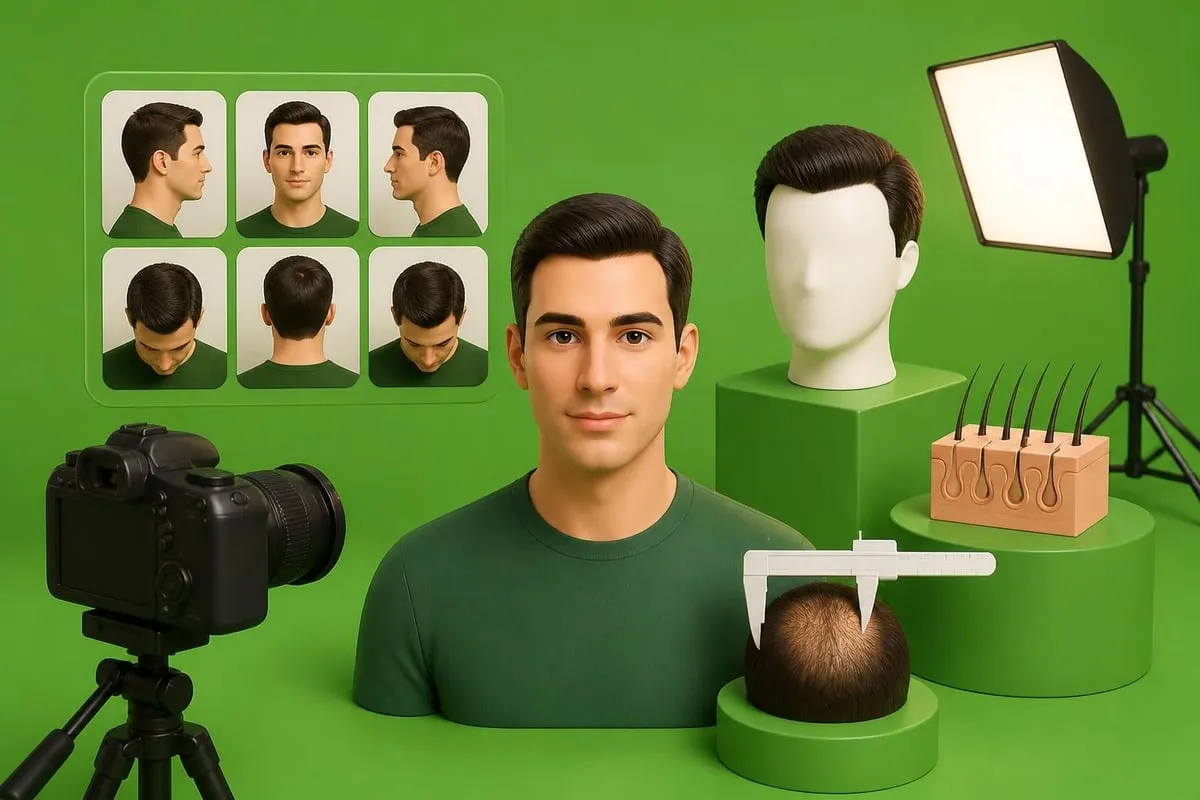
Accurately capturing hair graft before and after results requires consistent photographic methodology. Professional clinics use standardized protocols to ensure comparisons reflect genuine changes rather than variations in lighting, angle, or styling.
Essential documentation elements:
- Identical camera angles (frontal, lateral, crown views)
- Consistent lighting conditions and intensity
- Same hair length and styling state
- Neutral background colors
- High-resolution imaging for detail capture
Patients should request to see extensive before and after galleries featuring multiple angles and various hair types that match their own characteristics. The ISHRS recommends verifying that showcased results come from the specific clinic and surgeon under consideration, not stock images or results from other practitioners.
Factors Influencing Transformation Quality
Not all hair graft before and after outcomes achieve identical quality levels. Multiple variables affect final results, some controllable through proper technique and aftercare, others determined by patient-specific factors beyond clinical control.
Surgeon Skill and Technique
Graft handling, placement angle, and density planning directly impact naturalness and survival rates. Experienced surgeons minimize trauma during extraction, maintain grafts in optimal conditions before placement, and create recipient sites at appropriate angles and depths. Choosing a qualified hair transplant surgeon proves critical for achieving superior outcomes.
Patient Compliance and Aftercare
Following post-procedure instructions significantly influences graft survival. Patients who avoid physical trauma to the recipient area, maintain proper scalp hygiene, and attend follow-up appointments typically achieve better results than those with inconsistent aftercare practices.
Biological Factors
Age, overall health, nutritional status, and genetic hair characteristics all play roles in determining transformation quality. Younger patients with robust circulation and healthy donor hair generally see faster, more complete results than older individuals with compromised vascular health or poor baseline hair quality.
Realistic Density Expectations
Understanding achievable density prevents disappointment when comparing hair graft before and after states. Native scalp hair density typically ranges from 80-120 follicular units per square centimeter, but transplant procedures rarely achieve such high density in a single session. Most procedures target 30-40 grafts per square centimeter in the hairline and 25-35 grafts per square centimeter in mid-scalp regions.
Evaluating Before and After Claims
When researching procedures, patients encounter countless hair graft before and after images across clinic websites and social media platforms. Critical evaluation skills help distinguish genuine results from misleading representations.
Red flags in before and after images:
- Drastically different lighting between photos
- Changed camera angles that alter appearance
- Inconsistent hair length or styling
- Excessive photo editing or filtering
- Lack of multiple viewing angles
- No timestamp or timeline information
The BAAPS guidance on hair transplant surgery emphasizes requesting unedited, multi-angle photographs taken under medical-grade lighting conditions. Legitimate clinics provide extensive documentation and welcome questions about their photographic protocols.
Long-Term Maintenance and Results
Hair graft before and after transformations extend beyond the initial twelve-month mark. Transplanted follicles retain their genetic resistance to pattern balding, continuing to grow for life in most cases. However, native hair in non-transplanted areas may continue thinning according to natural progression patterns.
Long-term maintenance strategies include:
- Monitoring native hair areas for continued loss
- Using medical therapies to preserve existing hair
- Planning potential future procedures if needed
- Maintaining overall scalp health practices
- Protecting hair from environmental damage
Evidence for combining surgical transplantation with stem cell hair therapy or other regenerative treatments remains limited. These approaches are not established guarantees of longer-lasting transplant results; discuss their evidence and risks with your surgeon.
Setting Appropriate Expectations
Perhaps the most important aspect of evaluating hair graft before and after outcomes involves setting realistic expectations from the outset. No procedure can recreate the exact density of pre-balding hair, and not every patient achieves identical results even with the same number of grafts and technique.
Realistic outcome expectations:
- Natural-looking density improvement, not teenage hairline
- Gradual transformation over twelve-plus months
- Potential need for multiple sessions for extensive loss
- Continued care of native non-transplanted hair
- Possible minor refinements or touch-ups
Understanding the complete hair transplant recovery timeline helps patients prepare mentally for the months-long journey from procedure to final results. This knowledge prevents premature concern during normal healing phases and maintains realistic optimism throughout the growth process.
Regional and Demographic Variations
Hair graft before and after results can vary based on hair type, ethnic background, and individual follicle characteristics. Patients with straight, fine hair may require more grafts to achieve comparable visual density compared to those with coarse, curly hair that provides more coverage per follicle.
Specialized techniques for different hair types ensure optimal outcomes across diverse patient populations. FUE procedures adapt to accommodate various hair textures, curl patterns, and growth characteristics, with experienced practitioners adjusting extraction depth, angle, and placement protocols accordingly.
Evaluating hair graft before and after transformations requires understanding the complete journey from initial consultation through final maturation at twelve months and beyond. Realistic expectations, proper aftercare compliance, and patience during the growth phases all contribute to achieving satisfying outcomes. Whether you're considering your first procedure or planning additional density enhancement, Peak Hair Restoration offers personalized consultations with licensed clinicians who utilize advanced Turkish techniques and comprehensive patient support throughout every stage of your restoration journey.