Recipient-site tool
Sapphire FUE
Uses a sapphire blade to create recipient sites. Grafts still have to be harvested, handled and placed carefully. A blade material alone cannot guarantee faster healing or greater density.
Read the Sapphire FUE guide
One surgical foundation, different decisions about the donor area, hair length, recipient site and graft plan. Peak offers the FUE variations below, subject to an individual clinical assessment. A name alone cannot tell you which is appropriate.
Request a free assessmentNo-obligation consultation · Treatment availability and clinician confirmed when scheduling
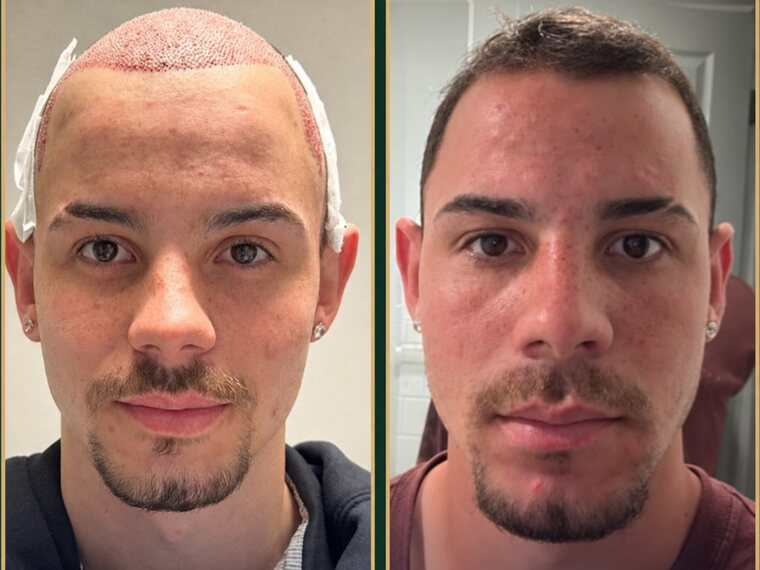
Start with your hair-loss diagnosis and available donor hair, then ask which part of the procedure you want to change. Want to avoid a full shave? Discuss unshaven FUE. Want to see hair length immediately after placement? Ask whether long-hair FUE is suitable, knowing those hair shafts can still shed. Restoring brows or facial hair? Eyebrow and beard FUE refer to the area being treated. Sapphire, micro/ultra and ICE describe tools or graft handling; mega-session describes the size of a proposed session. None is a shortcut around a donor assessment or a guarantee of growth.
Peak says it offers these options, but the appropriate plan and the location able to provide it must be confirmed in a consultation. The ISHRS explains the distinction between unshaven and long-hair methods; its FUE guide explains donor limits and surgical planning.
Follicular unit excision removes small groups of follicles from a donor area for placement where hair is thinning. The names below describe different preparation, instruments, graft amounts or recipient areas—not nine separate ways to create new donor hair.
These are the terms patients commonly encounter. Some overlap: unshaven and long-hair refer to different aspects of hair preparation; hairline, beard and eyebrow refer to the treatment area.
Uses a sapphire blade to create recipient sites. Grafts still have to be harvested, handled and placed carefully. A blade material alone cannot guarantee faster healing or greater density.
Read the Sapphire FUE guideUses an implanter device to place harvested grafts. It can be paired with FUE harvesting; it describes placement rather than a separate donor-harvesting method.
Explore DHI treatmentMay leave the donor area fully or partly unshaven; the recipient area can be considered separately. Ask exactly which areas will be trimmed and what that means for safe harvesting.
Understand shaving terminology (ISHRS)Can mean extracting and placing long-haired grafts rather than merely leaving surrounding hair long. This is technically demanding and does not eliminate postoperative shedding.
Read the ISHRS explanationTargets the frontal hairline. The proposed position, shape and graft direction should fit your features and possible future hair loss, not just a photograph.
Read the natural hairline guideThese names often point to small extraction punches or precision claims. They do not specify a universal technique or guarantee a scar-free result. Ask what tool is used and why.
See the ISHRS FUE overviewOften used to describe chilled graft handling. The exact protocol can vary by clinic; the word ICE alone does not establish superior graft survival. Ask how grafts are protected between harvest and placement.
Refers to a larger graft session, not a universal safe graft number. A larger session is worthwhile only when donor capacity, staffing and the recipient plan support it.
Moves follicles into facial-hair areas to address a chosen shape or sparse regions. Hair characteristics, donor supply and placement direction need individual assessment.
Transplants follicles into the brows. The direction and curl of each placed hair matter, and transplanted scalp hairs may need ongoing trimming.
Read about hair transplant recovery before planning your calendar. If you are comparing local care, start with the New York hair transplant assessment page.
For the medical terminology behind this guide, see the International Society of Hair Restoration Surgery's FUE guide and its explanation of shaved and unshaven approaches.
No. They share follicular unit excision; the names may describe the blade, hair preparation, recipient area, graft handling or session size. Ask what differs in your actual surgical plan.
Not necessarily. One term can describe leaving surrounding hair unshaven; the other may refer to harvesting and implanting long-haired grafts. The donor and recipient areas can also be prepared differently.
No. Donor hair is finite. Excessive extraction can visibly thin the donor area and limit future options.
No. Those labels alone do not prove a better outcome. Ask your clinician what the term means in your case and how the proposed technique protects the grafts and donor area.
No. Leaving transplanted hair long can offer an immediate preview, but the hair shafts can still shed in the weeks after surgery. Ask your surgeon what appearance to expect during healing. Source: ISHRS guidance on hair length and implantation.
Peak offers the listed FUE variations, but which location and clinician can provide a particular approach needs to be confirmed when you book. Suitability also depends on an individual medical assessment.
Discuss your goals and donor capacity before choosing a technique. Peak offers the listed variations, but a clinician determines what is suitable and which location can provide it.
Request a free consultationPatient-education sources: International Society of Hair Restoration Surgery: Guide to FUE and Shaven and Un-Shaven Hair Transplant Terminology. These sources explain general procedures, not Peak-specific clinical outcomes. This page is informational and is not a personal diagnosis or treatment recommendation.